



Peter Helped me with a case these last few months. Always explained everything in depth. Can’t say enough good things about how it went.
Drug Crime Attorney St. Louis
A drug possession arrest in St. Louis can lead to a felony charge, a criminal record, and consequences for employment, housing, and professional licenses, even when the amount involved was small. The outcome often turns on details that are not obvious at first: who controlled the car or room where the drugs were found, how the search happened, what the lab identified, and whether the case qualifies for a resolution that avoids a conviction.
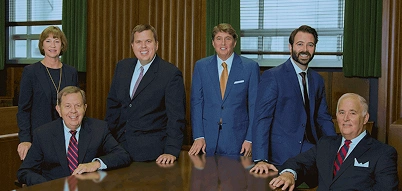
Bruntrager & Billings, P.C. has defended criminal cases in St. Louis since 1954. Our founder, Raymond A. Bruntrager, Sr., won an acquittal for a physician charged in a multi-count federal indictment for selling prescriptions, and three generations of trial lawyers have built on that record since.
Attorneys who need a lawyer themselves often choose our firm, which is why we are known as the “Lawyers’ Lawyers.” Our attorneys handle possession cases in city, county, and municipal courts, and in federal court when a case is charged there.
How Missouri Classifies Drug Possession
Missouri’s drug offenses are set out in Chapter 579 of the Revised Statutes. Under RSMo § 579.015, knowingly possessing a controlled substance is generally a class D felony, which carries a possible prison sentence of up to seven years. The charge level depends on the substance, its schedule, and the quantity.
Controlled substances are grouped into schedules based on their potential for abuse and accepted medical use:
- Schedule I includes drugs such as heroin and many hallucinogens.
- Schedule II includes cocaine, methamphetamine, fentanyl, and prescription opioids such as oxycodone.
- Lower schedules include many prescription sedatives and stimulants.
A charge can be built on a residue amount, a single pill, or a larger quantity that prosecutors claim shows intent to distribute.

Possession Charges by Substance
The cases we see most often involve the following types of substances.
Fentanyl and Heroin
Fentanyl is now present in much of the region’s street drug supply, often mixed into other substances or pressed into counterfeit pills. Because many people do not know a pill or powder contains fentanyl, knowledge of the substance’s identity can be a serious issue. Lab testing and the weight of any mixture also matter, since quantity affects whether prosecutors pursue possession or trafficking charges.
Cocaine and Crack Cocaine
Cocaine possession is a felony in Missouri regardless of the amount. These cases frequently arise from vehicle searches and often involve questions about whether the substance was tested properly and whether the amount supports any claim of intent to distribute.
Methamphetamine
Meth cases can involve possession alone or allegations related to manufacturing, which carry far more serious penalties. Items found nearby, such as cold medicine, batteries, or chemicals, are sometimes used to suggest manufacturing even when the evidence is thin.
Prescription Drugs
Possessing oxycodone, hydrocodone, Adderall, Xanax, or other prescription medications without a valid prescription is a controlled substance offense. These cases often involve pills carried outside their original bottle, medication prescribed to a family member, or a prescription that has expired. A valid prescription is a defense, and documentation can resolve some cases early.
Marijuana After Amendment 3
Missouri voters approved Amendment 3 in 2022, which allows adults 21 and older to possess up to three ounces of marijuana. Possession above that limit, possession by someone under 21, and marijuana in certain locations can still lead to charges. Amendment 3 also created a process for expunging many prior marijuana offenses, which is relevant for clients with older records.
Other Substances
We also defend charges involving psilocybin mushrooms, MDMA, LSD, ketamine, and synthetic cannabinoids. Lab identification is especially important with these substances, since field tests are less reliable and some products are sold under misleading labels.
Common Possession Scenarios
Possession can be actual, meaning the drugs were on your person, or constructive, meaning the prosecution claims you had knowledge of and control over drugs found somewhere else. Missouri law allows possession to be joint when more than one person has access to the same space. In constructive possession cases, courts generally require evidence beyond mere presence near the drugs.
The situations that most often lead to possession charges include:
- Traffic stops. Drugs found in a console, under a seat, or in a passenger’s bag raise questions about who knew they were there, particularly in a borrowed or shared vehicle.
- Shared homes and apartments. When several people live in or visit a residence, the prosecution has to connect the drugs to a specific person.
- Drugs found during a search for something else. Probation searches, warrant arrests, and calls for unrelated disturbances often lead to possession charges.
- Pills outside a prescription bottle. Carrying a legitimate prescription in a pill organizer or plastic bag can result in a charge that documentation may resolve.
- Paraphernalia and residue. Pipes, syringes, or scales with trace residue can support a possession charge in addition to a paraphernalia charge.
- College campuses and events. Arrests involving students can raise additional concerns about school discipline and housing.
In each of these situations, our attorneys review who had access to the space, where the drugs were found, and what evidence, if any, ties them to the client.

Defending Against Drug Charges in St. Louis
The defense starts with how the police found the drugs. The Fourth Amendment and the Missouri Constitution limit when officers can stop a vehicle, extend a stop, search a car or home, and seize property. If a stop was prolonged without reasonable suspicion, consent was not voluntary, or a warrant was based on unreliable information, the evidence may be suppressed.
We also examine:
- Whether the prosecution can prove knowledge and control, not just proximity
- Whether the substance was identified by a qualified lab rather than a field test
- Chain of custody from the scene to the lab
- Whether statements were obtained in violation of the right to remain silent or the right to counsel
- Whether informant information or a controlled buy was reliable and properly documented
Many possession cases resolve without a conviction. Options in Missouri can include dismissal, a suspended imposition of sentence (SIS), which avoids a conviction if probation is completed, and treatment court programs in St. Louis City and St. Louis County. Missouri’s expungement statute, RSMo § 610.140, allows many possession offenses to be expunged after a waiting period. These options depend on the charge, the client’s record, and the court, so we evaluate them alongside trial defenses from the start.
Drug Trafficking and Distribution Charges
Our drug trafficking attorneys also defend clients facing distribution and trafficking allegations. Distribution under RSMo § 579.020 covers delivering or attempting to deliver a controlled substance. Missouri’s trafficking statutes, RSMo § 579.065 and RSMo § 579.068, are tied to quantity thresholds and include bringing certain amounts of drugs into Missouri. Penalties increase sharply as the weight rises.
In trafficking cases, the defense often centers on whether the evidence supports intent to distribute. Cash, scales, baggies, and multiple phones are common in prosecutors’ cases, but each can have an innocent explanation. We frequently challenge lab weights, including whether packaging or cutting agents were counted, and whether the client had any connection to the drugs beyond being present.
Interstate cases arising from stops on I-70, I-44, and I-55 can draw federal attention, particularly when quantities are large or the investigation involves the DEA or a regional task force. Federal drug cases, prosecuted here in the Eastern District of Missouri, have mandatory minimum sentences for certain quantities. Our attorneys have practiced in federal court for decades and handle these cases regularly.

Penalties and Collateral Consequences
A class D felony in Missouri carries up to seven years in prison and a fine of up to $10,000. Trafficking offenses carry substantially longer sentences, and some are not eligible for probation. Misdemeanor drug offenses can still result in up to a year in jail.
A drug conviction can affect employment, professional and occupational licenses, rental applications, eligibility for some federal benefits, and immigration status for noncitizens. Driving under the influence of drugs is charged as DWI in Missouri, and DWI and DUI defense involves its own testing and license issues.
Why Choose Bruntrager & Billings, P.C.
Most drug cases are decided by the details of a stop, a search, and a lab report. Our attorneys prepare each case as though it may go to trial, because that preparation is what uncovers a suppression issue, a gap in the chain of custody, or a weak link between the client and the drugs. It also matters at the negotiating table, where prosecutors know which firms are willing to try a case.
Drug cases in this area may be heard in the St. Louis City Circuit Court, the St. Louis County Circuit Court, municipal courts such as Hazelwood and Florissant, or federal court in the Eastern District of Missouri, depending on where the arrest happened and who brought the charge. We practice in all of them, and we know how the procedures and diversion options differ from one court to the next.
Frequently Asked Questions
Is a Field Test Enough to Convict Someone of Drug Possession?
Generally no. Roadside field tests can produce false positives, and prosecutors typically rely on a laboratory analysis to prove what the substance was. Delays or problems with lab testing can affect the strength of the case.
Can Police Search My Phone After a Drug Arrest?
Generally not without a warrant. The U.S. Supreme Court held in Riley v. California that officers usually need a warrant to search the data on a cell phone seized during an arrest. Text messages and photos are common evidence in distribution cases, so how the phone was searched is often an important question.
Can a Drug Charge Affect a Professional License?
It can. Missouri licensing boards for nurses, pharmacists, teachers, and other professionals may review drug-related charges and convictions, and some require self-reporting. The way a case is resolved often affects how a board responds.
Will a Drug Possession Charge Stay on My Record?
Not always. A dismissal, an acquittal, or a completed suspended imposition of sentence does not result in a conviction, and many possession offenses can be expunged later under Missouri law. Prior marijuana offenses may qualify for expungement under Amendment 3.
Should I Talk to the Police After a Drug Arrest?
You have the right to remain silent and the right to an attorney. Statements made at the scene or during questioning are often the strongest evidence in a possession case, so it is best to ask for a lawyer before answering questions.
Speak With Our St. Louis Drug Crime Defense Lawyers
The facts of an arrest often leave room for a strong defense or a resolution that protects your record. Bruntrager & Billings, P.C., offers free consultations to people charged with possession, distribution, and trafficking offenses. Contact us online or call (314) 646-0066 to schedule a consultation.