


Peter Helped me with a case these last few months. Always explained everything in depth. Can’t say enough good things about how it went.

A rideshare accident can leave you dealing with injuries, insurance questions, and uncertainty about who is responsible. Uber and Lyft crashes involve more parties than a typical car accident: the driver, the rideshare company, at least two insurance carriers, and often another motorist. Which policy pays, and how much coverage is available, can depend on what the driver’s app showed at the moment of the crash.
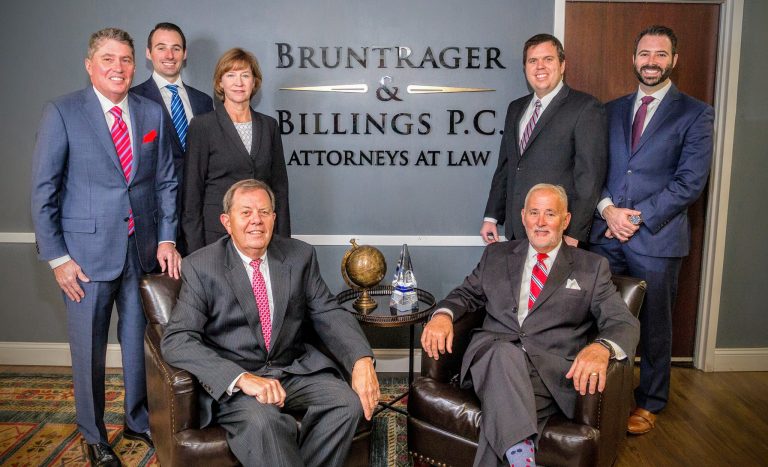
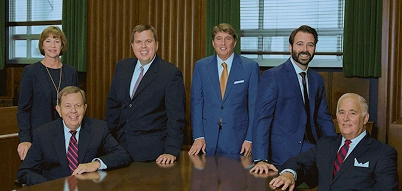
Bruntrager & Billings, P.C. has represented injured people in St. Louis since 1954 and has recovered more than $50 million for clients. Attorneys who need a lawyer themselves often choose our firm, which is why we are known as the “Lawyers’ Lawyers.” We handle rideshare claims for passengers, other drivers, pedestrians, cyclists, and rideshare drivers injured on the job, and we prepare every case as if it will go to trial.
How Rideshare Accident Insurance Works
Rideshare accident insurance is layered, and the coverage available changes with the driver’s status in the app. Missouri law sets minimum coverage requirements for transportation network companies such as Uber and Lyft, and both companies carry policies that meet or exceed them. The three periods that matter are described below.
App Off: The Driver Is Not Working
When the driver is not logged into the Uber or Lyft app, the crash is treated like any other car accident. The driver’s personal auto policy is the primary source of coverage. Missouri’s minimum liability limits are $25,000 per person and $50,000 per accident for bodily injury, which is often not enough for a serious injury. The rideshare company’s policy generally does not apply.
App On, Waiting for a Ride Request
When the driver is logged in and available but has not accepted a ride, the company provides contingent liability coverage. Under Missouri’s rideshare insurance requirements, this coverage must be at least $50,000 per person and $100,000 per accident for bodily injury, plus $25,000 for property damage. This coverage generally applies when the driver’s personal policy excludes or denies the claim, which is common because many personal policies exclude coverage while a driver is working for a rideshare company.
This period produces more disputes than any other. A driver idling near Ballpark Village after an event, or circling the cell phone lot at Lambert Airport, may be logged in for long stretches between rides. Whether the app was on, and when it was turned on, often decides whether the company’s coverage applies at all.
Ride Accepted or Passenger in the Vehicle
Once the driver accepts a ride request, through the end of the trip, the company’s primary commercial policy applies. Missouri requires at least $1,000,000 in liability coverage during this period. Uber and Lyft typically also carry uninsured and underinsured motorist coverage during active trips, which can matter when another at-fault driver has little or no insurance.
This higher coverage begins when the driver accepts the request, not when the passenger gets in. A crash on the way to a pickup is generally covered at the same level as a crash with a passenger on board.
Why App Data Matters
The driver’s app status is recorded with timestamps, and those records are controlled by the rideshare company. We send preservation requests early and obtain trip logs, GPS data, and status records to establish which coverage period applies. Small gaps in the timeline, such as a few minutes between a completed ride and the next request, can determine whether the available coverage is $50,000 or $1,000,000.
Common Uber and Lyft Accident Scenarios
Rideshare claims follow different paths depending on who was hurt and how the crash happened.
Injured Passengers
Passengers are almost never at fault, which simplifies the liability question. The more important issue is identifying every available source of coverage. If the rideshare driver caused the crash, the company’s $1,000,000 policy applies. If another driver caused it, that driver’s insurance is the first source, with the company’s underinsured motorist coverage available if those limits are too low. When fault is shared between drivers, both policies may contribute.
Other Drivers Hit by a Rideshare Vehicle
If an Uber or Lyft driver crashes into your vehicle, the insurance available depends on the driver’s app status. A driver with a passenger on board triggers the full commercial policy. A driver waiting for requests may trigger only the lower contingent coverage. A driver with the app off is covered only by personal insurance. We confirm the status before assuming which policy applies.
Pedestrians and Cyclists
Rideshare drivers spend much of their time looking at a phone for directions and ride requests, often in dense areas with heavy foot traffic. Pedestrians and cyclists struck by rideshare vehicles frequently suffer serious injuries, and the same app-status rules determine coverage.
Pickup and Drop-Off Crashes
A large share of rideshare incidents happen during pickups and drop-offs. Drivers stop in traffic lanes, make sudden turns into curbside spots, or pull away before a passenger is clear. Passengers are also injured when a door opens into the path of a cyclist or another vehicle. Busy pickup zones downtown, around Busch Stadium and the Enterprise Center, and at the airport, see many of these crashes.
Rideshare Drivers Injured on the Job
Uber and Lyft classify drivers as independent contractors, so injured drivers generally cannot rely on workers’ compensation. A driver hit by another motorist can pursue a claim against that motorist’s insurance. During an active trip, the company’s uninsured and underinsured motorist coverage may also be available if the at-fault driver lacks adequate insurance.
Common Causes of Rideshare Accidents in St. Louis

Rideshare driving combines several risk factors at once:
- Phone distraction: Drivers interact with the app for navigation, ride requests, and messages while moving.
- Fatigue: Many drivers work long shifts or drive after a full day at another job.
- Unfamiliar routes. Drivers following GPS directions may make sudden lane changes or turns.
- Event and nightlife traffic: Crowds around stadiums, concert venues, and entertainment districts create congestion, double-parking, and frequent stops.
- Highway merges: Interstate 64, I-70, and I-44 carry heavy rideshare traffic to and from the airport and downtown.
Who Can Be Held Liable
Responsibility in a rideshare accident may rest with one party or several:
- The rideshare driver, for distracted driving, speeding, failing to yield, or unsafe pickups and drop-offs
- Another motorist whose negligence caused or contributed to the crash
- Vehicle or parts manufacturers, when a defect played a role, which our product liability attorneys handle
- Government entities or contractors, when a dangerous road condition contributed to the crash
Missouri follows pure comparative fault, so an injured person’s recovery is reduced by any share of fault assigned to them, but not eliminated.
Compensation in a Rideshare Accident Claim
Depending on the facts, a rideshare accident claim may include:
- Medical expenses, including future treatment
- Lost wages and reduced earning capacity
- Pain and suffering, emotional distress, and loss of enjoyment of life
- Property damage
The value of a claim depends on the severity of the injuries, their effect on daily life and work, and the insurance coverage available. Serious cases involving brain injury or paralysis often require a full assessment of long-term care costs. When a crash is fatal, family members may have a claim for wrongful death.
Steps to Take After a Rideshare Accident
Protect your claim from the start by taking these steps:
- Get medical care: Prompt treatment protects your health and creates a record linking your injuries to the crash.
- Call the police: A police report documents the scene and the parties involved.
- Screenshot the app: Passengers should save the trip details, driver name, and vehicle information from the Uber or Lyft app.
- Gather information: Collect names, insurance details, and contact information for drivers and witnesses, and photograph the vehicles and scene.
- Report the crash in the app: Uber and Lyft both have in-app reporting tools, but keep your report factual and brief.
- Be cautious with insurers: Adjusters for the driver, the company, or another motorist may ask for recorded statements. You are not required to give one before speaking with a lawyer.

How We Handle Rideshare Claims
Our attorneys investigate the crash, preserve app and trip data, identify every applicable insurance policy, and handle communication with each carrier. Rideshare companies and their insurers have legal teams that begin working on claims quickly, and we respond with the same urgency. When a fair settlement is not offered, we are prepared to take the case to court.
Frequently Asked Questions About Rideshare Accidents
How Long Do I Have to File a Rideshare Accident Claim in Missouri?
Most personal injury claims in Missouri must be filed within five years of the injury under RSMo § 516.120. Wrongful death claims generally must be filed within three years. Evidence such as app data and video footage can be lost much sooner, so early action helps protect the claim.
Can I Sue Uber or Lyft Directly?
Usually, the claim proceeds against the driver, with the rideshare company’s insurance policy responding. Because Uber and Lyft classify drivers as independent contractors, the companies are not automatically responsible for a driver’s negligence. A direct claim against the company may be possible in some situations, such as when the company’s own conduct contributed to the harm.
What Happens if I Was a Passenger in an Uber or Lyft?
Passengers can usually recover through the rideshare company’s $1,000,000 commercial policy if the rideshare driver was at fault, or through the other driver’s insurance if they caused the crash. If the at-fault driver’s insurance is too low, the company’s underinsured motorist coverage may help cover the difference.
Whose Insurance Pays if an Uber or Lyft Driver Hits Me While Waiting for a Ride Request?
If the driver was logged into the app but had not accepted a ride, the rideshare company’s contingent coverage of at least $50,000 per person and $100,000 per accident generally applies when the driver’s personal policy does not cover the crash. Proving the driver’s app status at the time of the crash is often the central issue in these claims.
Can a Rideshare Driver Recover Compensation After an Accident?
Yes. A rideshare driver injured by another motorist can bring a claim against that driver’s insurance. Uber and Lyft drivers are generally independent contractors and usually do not have workers’ compensation, but the company’s uninsured and underinsured motorist coverage may apply if the crash happened during an active trip.
Does Missouri’s Comparative Fault Rule Affect a Rideshare Claim?
Yes. Missouri uses pure comparative fault, which means an injured person can recover damages even if they were partly at fault. The award is reduced by their percentage of fault. For example, a person found 20 percent at fault would recover 80 percent of their total damages.
Speak With a St. Louis Rideshare Accident Lawyer
A rideshare claim often depends on records and coverage questions that need attention in the first weeks after a crash. Bruntrager & Billings, P.C. offers free consultations to people injured in Uber and Lyft accidents throughout the St. Louis area. Call (314) 646-0066 or contact us online to discuss your case.