



Peter Helped me with a case these last few months. Always explained everything in depth. Can’t say enough good things about how it went.
A DWI arrest or a serious traffic charge in St. Louis can feel like it is threatening every part of your life at once, including your driving privileges, your finances, and even your freedom. Missouri treats impaired driving and many traffic offenses seriously, and the consequences can extend well beyond the original stop.
Whether you need a St. Louis DWI lawyer for a first-time charge or a repeat offense, or a traffic lawyer in St. Louis for a citation that could affect your insurance for years, the team at Bruntrager & Billings, P.C. can help you understand what you are up against and build a defense based on the specific facts of your case.
Finding the best DWI lawyer in St. Louis often comes down to trial experience and local court familiarity, and our attorneys bring both to every case we handle, from a routine speeding ticket to a felony-level DWI. Reach out to a St. Louis DWI and traffic defense attorney today!
How Missouri Defines DWI
In Missouri, the formal legal term is “Driving While Intoxicated” (DWI), though DUI is commonly used to describe the same offense. Under Missouri Revised Statutes § 577.010, a person commits DWI if they operate a vehicle while in an intoxicated condition. Missouri also sets specific blood alcohol concentration (BAC) thresholds:
- 0.08 percent for drivers over 21
- 0.04 percent for commercial drivers
- 0.02 percent for drivers under 21, under Missouri’s Zero Tolerance Law
A BAC reading is not the only factor law enforcement relies on. Under Missouri Revised Statutes § 577.001(13), DWI also covers impairment caused by drugs, including prescription and over-the-counter medications, and a driver can still be charged even when their BAC falls below the legal limit if there is other evidence of impairment.
Drug-related DWI cases tend to be more complex because there is no universal numerical threshold, so these cases often rely on officer observations, field sobriety testing, and sometimes expert testimony. Our Missouri DUI lawyers regularly handle both alcohol and drug-related charges and can spot weaknesses in this kind of evidence that a less experienced defense attorney might miss.
Alcohol-related arrests in St. Louis are often concentrated around areas with dense nightlife, including Soulard, downtown near Ballpark Village, Clayton, and the Central West End, where enforcement tends to increase during evening and weekend hours. A DWI defense lawyer familiar with these patterns can better anticipate how a case built on that kind of enforcement activity is likely to be handled by local prosecutors.
Common Traffic Violations in St. Louis
Not every charge involves alcohol or drugs. Traffic violation attorneys in St. Louis regularly handle cases involving:
- Speeding, including criminal speeding charges tied to excessive velocity
- Running red lights or stop signs
- Improper lane changes or illegal turns
- Failure to yield
- Driving without a valid registration or insurance
- Reckless driving under Missouri Revised Statutes § 304.012, which covers operating a vehicle in a manner that endangers persons or property
Each of these violations can add points to your driving record under Missouri Revised Statutes § 302.302, and reaching certain point thresholds can trigger suspension, revocation, and higher insurance premiums that last for years.
Interstates, such as I-64, I-44, I-70, and I-270, see heavy enforcement, and courts in high-traffic or pedestrian-heavy areas often take a closer look at cases involving accidents or aggressive driving. The right criminal speeding defense lawyer can be especially important when a speeding charge crosses into reckless driving territory, since that shift can turn a routine citation into a criminal matter with lasting consequences.
Local Trial Experience You Can Rely On
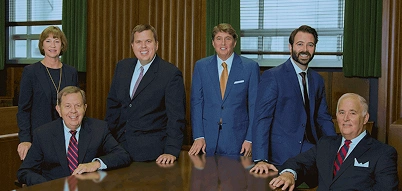
Since 1954, our team of former prosecutors has built a reputation for thorough preparation and strong advocacy, recovering over $50 million for clients across a wide range of legal matters. Other attorneys often refer clients to our office, which is part of why many call us the “Lawyers’ Lawyers.”
That same commitment to detail applies whether we are defending a first-time DWI, a felony level repeat offense, or a routine speeding ticket that could still affect your insurance and driving record for years.
Our attorneys regularly appear in:
- St. Louis City Circuit Court
- St. Louis County Circuit Court in Clayton
- Municipal courts throughout the region, including Kirkwood, Hazelwood, and Florissant
- Other courts throughout the St. Louis metro and surrounding areas
Each court has its own procedures and tendencies, and that local familiarity often shapes a more effective strategy, whether the goal is negotiating a reduced charge, contesting a license suspension, or taking a case to trial. We also assist clients pursuing driver’s license reinstatement in Hazelwood and throughout the greater St. Louis area, guiding them through the administrative requirements that come with restoring driving privileges.
Our attorneys are equally comfortable serving as your DWI attorney in St. Louis for a serious intoxication charge or as your everyday traffic law attorney for a citation that simply needs to be resolved the right way, and we bring the same preparation to both.

What to Expect After a DWI Arrest or Traffic Citation
The legal process moves quickly after a DWI arrest or a serious traffic stop, and understanding each stage can help you avoid costly mistakes. A typical DWI case involves an initial stop and arrest, booking and release with a court date, arraignment, pretrial hearings, and possible negotiation or trial. At the same time, a separate administrative process addressing your driver’s license often begins, and these timelines can move independently of one another.
License Suspension, Points, and Insurance Consequences
One of the most immediate risks after a DWI arrest is losing your license. Under Missouri Revised Statutes § 302.505, your license may be suspended if you fail or refuse a chemical test, and you typically have only 15 days to request a hearing to challenge that suspension. A driver’s license suspension lawyer in St. Louis can help you request that hearing on time and preserve your ability to drive while the case moves forward, and a St. Louis traffic ticket attorney can offer the same kind of guidance when a suspension stems from accumulated points rather than a DWI arrest.
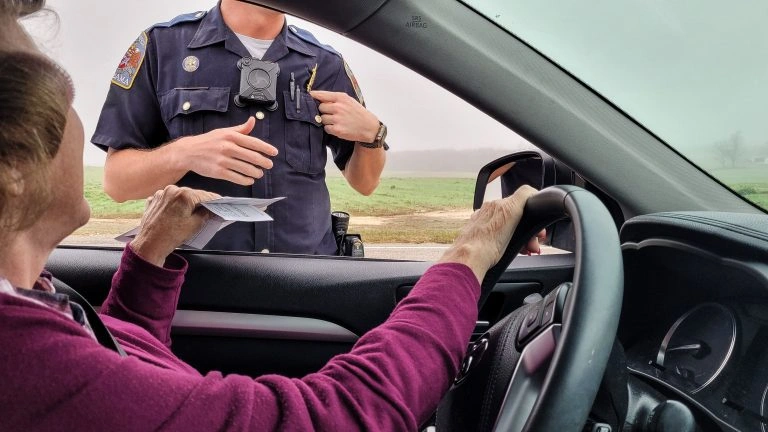
Traffic tickets have their own consequences. Paying a citation is not simply closing out a bill; it is entering a guilty plea. Once payment is submitted, the conviction is entered, points are assessed, and your insurance company is notified, with no opportunity to contest it later. Missouri’s point system tracks these violations, and even a single conviction can raise your premiums, while a reckless driving or DWI conviction can lead to increases that persist for years.
Missing a court date or a filing deadline can add further penalties, including a warrant, extended suspension, or additional fines, whether the underlying charge is a DWI or a traffic citation.
Facing Traffic Violation Charges? Let our experienced attorneys guide you through the legal process.
Building a Strong Defense
Defending a DWI or traffic charge starts with a careful review of the stop itself. Officers must have reasonable suspicion that a traffic violation or criminal activity occurred, and if the stop lacked a valid legal basis, evidence gathered afterward may be challenged or excluded. From there, a St. Louis DWI defense lawyer or traffic attorney typically examines several categories of evidence, including:
- Officer observations of driving behavior and physical appearance, which can be affected by lighting, fatigue, or unrelated medical conditions
- Field sobriety test results, which are standardized but can be influenced by anxiety, uneven pavement, footwear, or injuries
- Breath or blood test results, which depend on proper calibration, administration, and sample handling
- Dashcam or body camera footage, which can support or contradict an officer’s written report
- Witness statements, which vary in reliability depending on perspective and memory
For traffic charges, similar principles apply. A traffic ticket lawyer in St. Louis may examine how speed was measured, whether equipment was properly calibrated, and whether the citing officer followed required procedures. In many cases, several defense strategies are used together to challenge the evidence, question the reliability of testing, or negotiate a reduced charge rather than pursuing an outright dismissal.
Whether you need a St. Louis traffic violation attorney for a single citation or a full criminal defense team for a felony-level DWI, the right approach depends on the specific facts of your stop, your driving history, and the court where your case will be heard. A speeding ticket lawyer, for example, may focus on how radar or lidar equipment was calibrated, while a DWI defense lawyer is more likely to focus on the chain of custody for a blood sample or the conditions under which field sobriety tests were administered.
Frequently Asked Questions
What is Missouri’s implied consent law?
Under Missouri Revised Statutes § 577.020, any driver on a public road is considered to have consented to chemical testing when requested by law enforcement. Refusing a test can result in an automatic one-year license revocation and may be introduced as evidence in court, though the circumstances surrounding the refusal can sometimes be challenged.
Why shouldn’t I just handle my traffic ticket on my own?
Many drivers assume paying a ticket is the simplest way to move on, but that payment functions as a guilty plea, adds points to your record, and notifies your insurance company with no chance to contest it afterward. Court procedures, local rules, and deadlines vary across St. Louis area courts, and an experienced traffic attorney understands which arguments are effective and how to pursue a reduced charge or dismissal when it is available.
What happens if I ignore a DWI case or traffic citation in Missouri?
Failing to appear in court or respond to a citation can trigger consequences beyond the original charge. Missouri courts may issue a warrant, suspend your license, or impose additional fines, and DWI cases have an added administrative track tied to your license that moves on its own timeline. Acting quickly preserves your options and helps ensure no deadlines are missed.
How long can a DWI or traffic conviction affect my record and insurance?
Points assessed under Missouri’s system remain on your driving record for a set period and accumulate on a rolling basis. A DWI or serious traffic conviction can also surface on background checks, affect professional licensing, and limit employment opportunities that involve driving. Insurance implications frequently last three to five years or longer, depending on the offense and the carrier, which is often more costly over time than the original fine or court cost.
Talk to Our St. Louis Defense Team Today
A DWI or traffic charge can feel overwhelming, but acting quickly can make a meaningful difference in the outcome of your case. The team at Bruntrager & Billings, P.C. is ready to review your situation, explain your options, and build a strategy based on the specific facts you are facing. Contact our office today to schedule a free consultation.