




Peter Helped me with a case these last few months. Always explained everything in depth. Can’t say enough good things about how it went.
Not every crash starts with a driver’s mistake. A pothole deep enough to bend a rim, a lane that drops off without warning, a stop sign hidden behind overgrown branches, or a construction zone with confusing barrels can cause a serious collision even when every driver involved was careful.
The attorneys at Bruntrager & Billings, P.C. represent people injured in crashes caused by dangerous roads throughout St. Louis and St. Louis County. These cases often involve a city, a county, the state, or a private contractor, and each comes with its own rules. Claims against government entities in Missouri have short notice deadlines, damage caps, and immunity defenses that do not apply in an ordinary car accident case, so early legal guidance matters.
Road Defects That Commonly Cause Crashes
A road defect is any condition in the design, construction, or maintenance of a roadway that creates an unreasonable risk of harm to the people using it. In the St. Louis area, the conditions we see most often include:
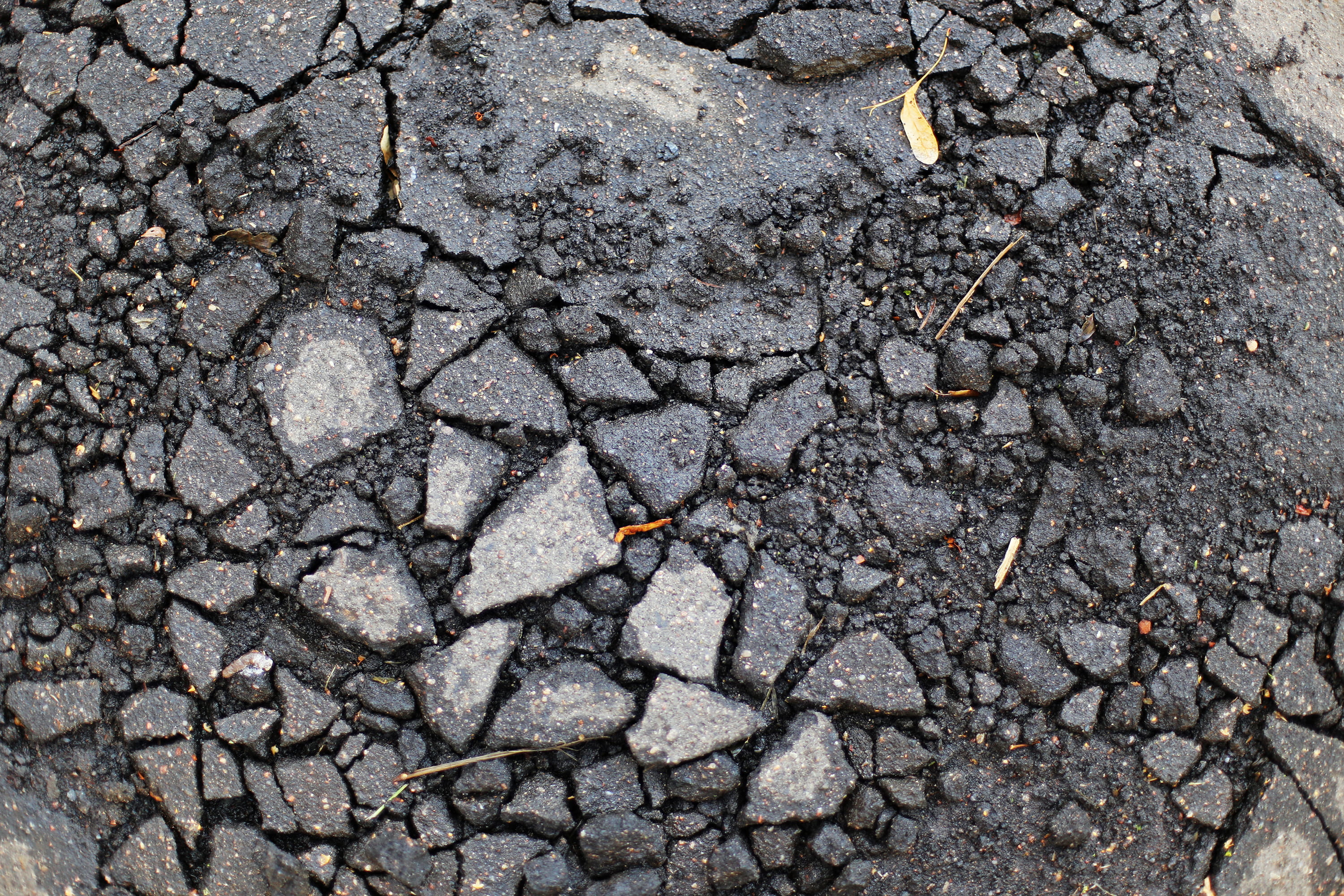
- Potholes and broken pavement, which multiply after freeze-thaw cycles each winter
- Pavement edge drop-offs between the travel lane and the shoulder
- Missing, damaged, or obstructed stop signs and warning signs
- Malfunctioning traffic signals
- Faded or missing lane markings
- Damaged or improperly ended guardrails
- Poor drainage that causes standing water and hydroplaning
- Uneven pavement and exposed steel plates left by utility work
- Loose gravel, debris, or materials left behind by road crews
- Construction zones without adequate warning, lighting, or traffic control
In a pothole accident case, we look past the defect itself to how long it existed and who was responsible for fixing it. A pothole that formed overnight is a different case from one that was reported to the city months earlier. We also look for recurring hazards, such as standing water that collects in the same low spot after every heavy rain.
Who Can Be Responsible for a Dangerous Road
Identifying the right defendant is one of the first steps in any road defect claim, and in the St. Louis region, the answer is not always obvious. A single stretch of road can pass through several jurisdictions in a few miles, so we start by establishing who owned and maintained the road at the exact point of the crash.
The City of St. Louis and County Municipalities
The City of St. Louis maintains most streets within city limits. St. Louis County has dozens of separate municipalities, and each is generally responsible for its own local streets. We determine which city controls the stretch of road where the crash happened and whether that city’s records show prior complaints or repair requests.
St. Louis County
St. Louis County maintains a network of county arterial roads, including roads that run through incorporated cities. A crash on a county-maintained road may involve the county rather than the municipality where it occurred.
The Missouri Department of Transportation
MoDOT is responsible for interstates and state highways, including I-64, I-70, I-44, I-55, I-170, and I-270, along with numbered state routes. If MoDOT designed, built, or maintained the section of road involved, the claim generally proceeds against the state.
Private Contractors and Utility Companies
Private companies do much of the work on public roads. Paving contractors, traffic control companies, and utility crews that cut into pavement to reach water, gas, or electric lines can all be responsible for the hazards they create. Private defendants do not have sovereign immunity, and they are not protected by the damage caps that apply to public entities, which can make them an important part of the case.
Missouri Sovereign Immunity and the Dangerous Condition Exception
Government entities in Missouri are generally immune from tort lawsuits. Under RSMo § 537.600, however, the legislature waived that immunity for injuries caused by a dangerous condition of public property. To recover under this exception, an injured person generally must show that:
- The property was in a dangerous condition at the time of the injury.
- The injury directly resulted from that condition.
- The condition created a reasonably foreseeable risk of the kind of harm that occurred.
- A public employee negligently created the condition, or the public entity had actual or constructive notice of it in time to take protective measures.
Notice is often the most contested element. Actual notice can come from complaints, service requests, or internal inspection reports. Constructive notice means the condition existed long enough that the entity should have discovered it through reasonable care. Public records, repair histories, and evidence of how long the defect existed are usually what prove it.
Damage Caps on Claims Against Public Entities
Recovery against a Missouri public entity is limited by RSMo § 537.610. The caps adjust annually for inflation. For 2026, they are $532,148 for any one person and $3,547,658 for all claims arising from a single occurrence. Punitive damages are not available against public entities. If the entity carries liability insurance above those limits, immunity may be waived to the extent of that coverage, so the entity’s insurance policies are always part of the evaluation.
These limits are one reason we look carefully for private defendants. When a contractor or utility company contributed to the hazard, the claim against that company is not subject to the public entity caps.
Notice Deadlines for Claims Against Cities
Missouri law requires written notice to a city’s mayor within 90 days for many injuries caused by defects in streets and sidewalks. For cities with populations over 100,000, including the City of St. Louis, that requirement appears in RSMo § 82.210. Similar provisions apply to smaller cities depending on how each is classified under Missouri law. The notice must describe the time, place, and circumstances of the injury, and a missed deadline can bar the claim against the city entirely. We identify the city’s classification and send the required notice early in the case.
Road Construction Zone Accidents
Work zones change traffic patterns quickly and often with little warning. Lane shifts, narrowed shoulders, uneven pavement between milled and unmilled sections, and flaggers working near live traffic all increase the risk of a crash. Missouri follows the federal Manual on Uniform Traffic Control Devices, which sets standards for signs, barrels, barriers, and lane closures in work zones.
A road construction accident lawyer on our team compares the traffic control in place against the approved plans and the applicable standards. When a contractor deviates from the plan, leaves equipment in the roadway, or fails to warn drivers of a sudden drop-off, the contractor can be held responsible. We also check whether the work zone was inspected at night, when missing reflectors and unlit barrels are hardest to see. MoDOT or the local agency that oversaw the project may share responsibility as well.
Road Design Defects
Some roads are dangerous because of how they were designed. Examples include curves without adequate banking or warning signs, intersections with limited sight distance, merge lanes that end too abruptly, and stretches of highway without guardrails at steep embankments. We work with traffic engineers who can compare the road to the design standards in effect when it was built and identify whether later changes in traffic volume made an existing design unsafe.
Design cases often depend on crash history. A pattern of similar crashes at the same location can support both the existence of a dangerous condition and the public entity’s knowledge of it, and we can obtain that history through state and local crash data.
Motorcycle, Bicycle, and Pedestrian Injuries
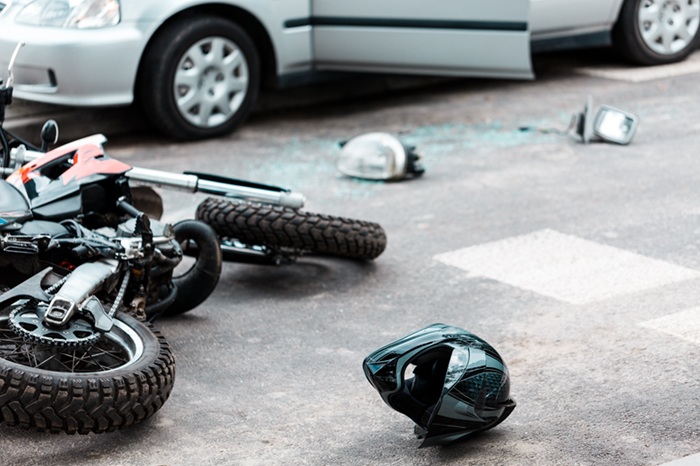
A defect a car can absorb can throw a motorcyclist or cyclist to the pavement. A pothole, an edge drop-off, or a steel plate with a raised lip can cause a rider to lose control. Our motorcycle accident and pedestrian accident practices handle these claims, which often involve severe injuries and close questions about the injured person’s own conduct. The defense in these cases commonly blames riding technique, so we prepare evidence showing how the defect looked and behaved at speed.
How We Build a Road Defect Case
Road crews often repair a defect within days of a serious crash, and once a pothole is patched or a sign replaced, the condition that caused the injury is gone. That is why we move quickly to document the scene and request the records that prove notice. In a typical case, we:
- Photograph and measure the defect before it is repaired
- Obtain city service requests and complaint records, such as reports to the City of St. Louis Citizens’ Service Bureau
- Request maintenance logs, inspection reports, and work orders through Missouri’s Sunshine Law
- Collect crash reports and prior crash data for the same location
- Identify contractors and utility companies that worked on the road
- Consult accident reconstructionists and traffic engineers when the case calls for it
This work also supports the medical side of the claim. Our attorneys document the full extent of each client’s injuries, including serious injuries such as brain injuries and paralysis, along with long-term care needs and lost earning capacity.
Comparative Fault and Filing Deadlines
Missouri follows pure comparative fault. If an injured driver is found partly responsible, for example, because of speed, their recovery is reduced by their percentage of fault but not eliminated. Government entities and contractors frequently argue that a careful driver would have avoided the hazard, and we answer that argument with evidence of visibility, lighting, and how the defect appeared from the driver’s position.
The general deadline to file a personal injury lawsuit in Missouri is five years under RSMo § 516.120. Wrongful death claims must generally be filed within three years under RSMo § 537.100. The 90-day notice requirements for claims against cities run much sooner, so the practical deadline in a road defect case is often a matter of weeks.
Frequently Asked Questions
Does Auto Insurance Cover a Crash Caused by a Road Defect?
Your own collision and medical payments coverage may pay for some losses regardless of fault, depending on your policy. Your insurer may then seek reimbursement from the responsible party. Those benefits are separate from a claim against the entity that allowed the hazard to exist.
What if the Crash Happened on a Bridge to Illinois?
Responsibility for Mississippi River bridges is divided between Missouri and Illinois agencies, and the location of the defect can determine which state’s law applies. Illinois has its own notice and immunity rules for claims against public entities, so these cases require early review of where the hazard was and who maintained it.
Why Does It Help to Work With a Local Law Firm on a Road Defect Claim?
Road defect claims depend on local details. St. Louis County has dozens of separate municipalities, and each city’s classification under Missouri law affects which notice statute applies and how quickly notice must be sent. Local attorneys know which agencies maintain the region’s roads, how to request records from city and county offices, and how these cases move through the St. Louis City and St. Louis County circuit courts.

Talk With a St. Louis Road Defect Attorney
A crash caused by a dangerous road raises questions that an ordinary accident claim does not: which agency controlled the road, whether notice was sent in time, and whether a private company shares the blame. The attorneys at Bruntrager & Billings, P.C., have tried cases in St. Louis courts for three generations and can evaluate your claim against every responsible party. Call (314) 646-0066 or contact us online for a free consultation.